> no other hardware platform has paved a way to a sustainable consumer ecosystem, from end to end: low priced hardware
Without Facebook we might have gotten a consumer version of the DK2 for $350, instead of the $600 CV1, and we might have spend two or three years doing VR with Xbox gamepad instead of having to spend an additional $200 on Touch controller.
Hard to say if that would have succeeded, as early not-quite-6DOF VR certainly had issues, but low cost and accessible VR is what the whole VR hype from 2012 onward was build on. The two year delay and the $600 announcement destroyed that hype and reduced VR to a few hardcore fans. Going all exclusive with their store and not allowing other headsets in also fractured the already tiny market completely without need.
Quest2 momentarily got the price back down (since then increased by $100), but it still struggles quite a lot in getting the excitement back, as there isn't anything interesting happening on the content side. We don't have movies in VR, games are still all low budget indie stuff and there isn't much in terms of events in VR either, even Meta themselves still struggles broadcasting their own conferences as a proper VR event.
> Without Facebook we might have gotten a consumer version of the DK2 for $350, instead of the $600 CV1, and we might have spend two or three years doing VR with Xbox gamepad instead of having to spend an additional $200 on Touch controller.
I don't see how. The DK2 was a prototype wholly inadequate for and unscalable to the mass market. The CV1 was legitimately expensive for Oculus to manufacture; the only reason it became affordable to manufacture was because Facebook had the funds to hire people with experience in optimizing manufacturing processes and reducing Bill of Materials (BOM) cost for the parts. If memory serves, one of the people hired after acquisition was ex-Lenovo, with expertise in specifically that.
The exclusivity was also not solely Oculus's fault; the acquisition by Facebook stung Valve rather hard (much of their tech and many of their employees ended up going to Facebook) and I believe there was a bidirectional hesitation to engage. My recollection is that there was a willingness to offer compatibility, and some compatibility libraries implemented, but there didn't appear to be a serious commitment overall to invest further in cross-compatibility from either party than what was already available.
I think OpenXR was an evolution past that, but without much real-world usages of it, it kind of sucked for a long time.
> We don't have movies in VR
People watch movies in VR all the time. There's BigScreen, which is legit, and there's also movie worlds in VRChat, which fly under the radar but are really awesome for social co-watching experiences. Though I hear you and agree that the big companies are lagging a bit behind in exploring and implementing good VR experiences and producing VR content with mass appeal.
> The DK2 was a prototype wholly inadequate for and unscalable to the mass market.
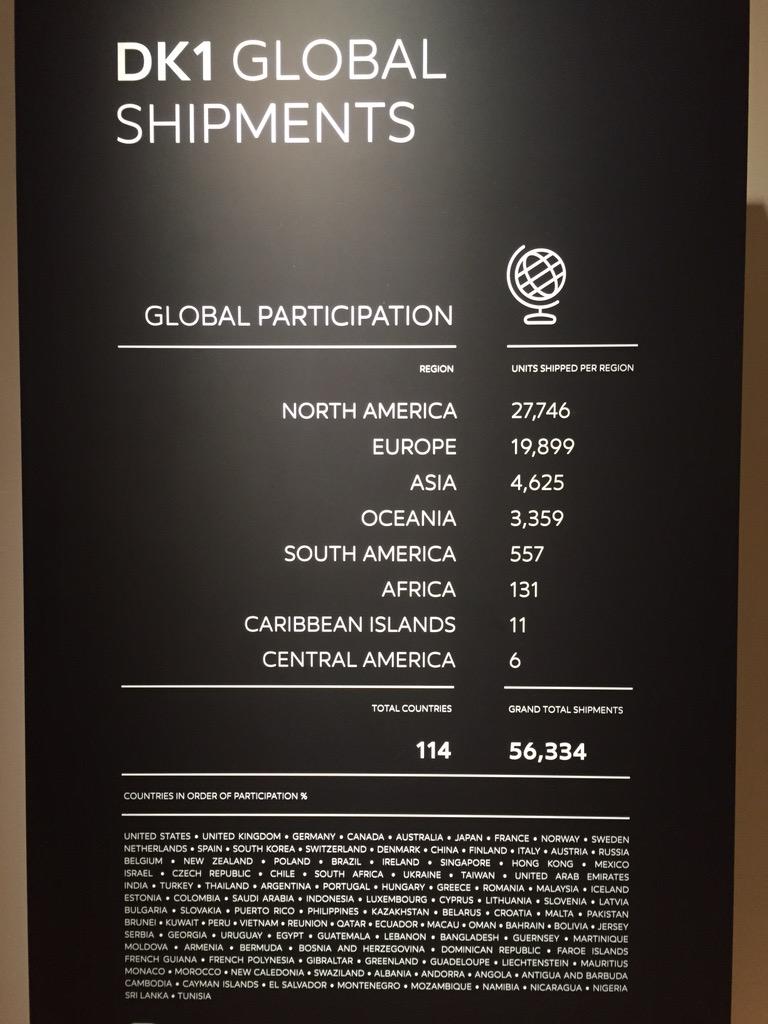
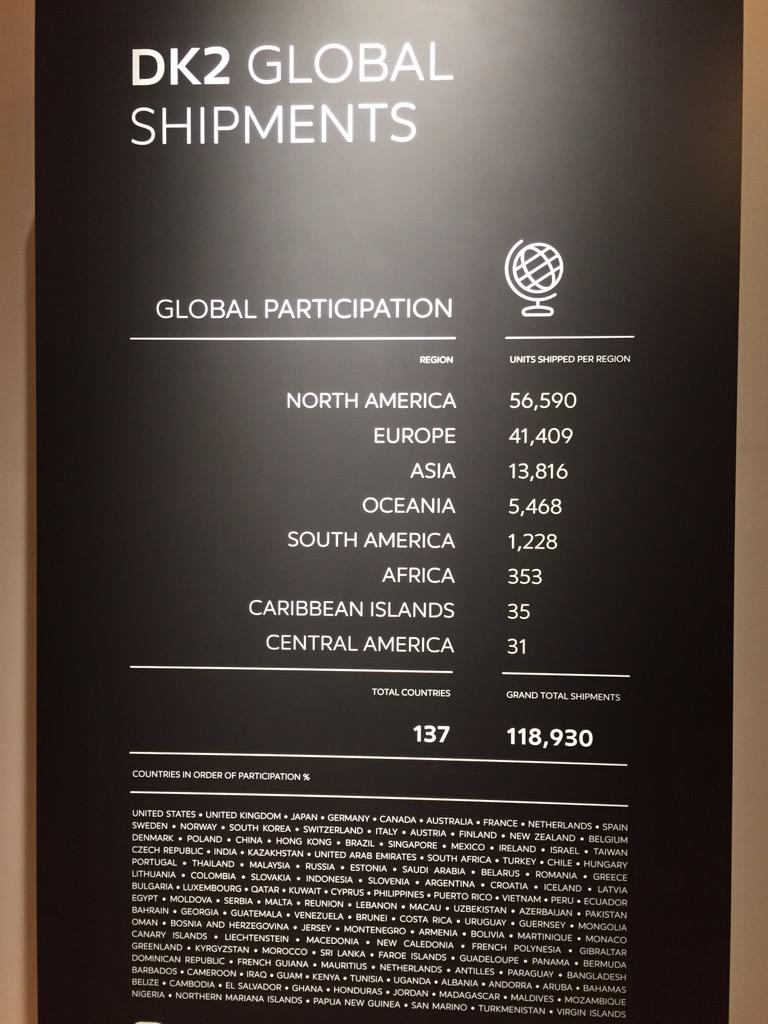
DK1 shipped 56'334 units[1], DK2 shipped 118'930[2], CV1 shipped an estimated 547'000. That's really not far apart and CV1 was on the market for longer. DK2, or a slightly improved iteration of it, would have been very much serviceable as a mass market VR headset.
> The CV1 was legitimately expensive for Oculus to manufacture;
The BOM for CV1 was only around $200[3]. They did some unnecessary stuff to make it more expensive (wrap it in fabric), but fundamentally the CV1 was not a very expensive device. Not sure how they arrived at that $600 price, but that looked like they vastly overestimated how popular VR would be and tried to milk it for profit.
Meanwhile for a modern example, Pico4 has a BOM of around $348[4], while it's sold at 429€. That seems way more reasonably priced to break into the VR market.
> The exclusivity was also not solely Oculus's fault
They never provided anything to allow third parties into their ecosystem. Meanwhile Valve wrote the SteamVR driver so that Oculus headsets can be use in SteamVR. And the SteamVR/OpenVR runtime was open enough that anybody could write their own drivers or plugins for the ecosystem.
This issue isn't even limited to headset from other manufacturers, a lot of the video content on the Oculus platform wasn't accessible with Oculus's own headset, but limited specifically to their mobile headsets only. Compatibility to Oculus Go and Quest1 was also reduced or killed after the release of Quest2, despite the actual software being compatible (e.g. manually transferring .apks to Quest1 to play Resident Evil 4 works).
> People watch movies in VR all the time.
Bigscreen and VRChat exist despite Facebook, not because of it[5]. Anyway, I don't just mean watching old movies in VR, I mean actual made-for-VR movies. They had that with Oculus Story Studio, but they killed it and nothing really has replaced it. There are no new upcoming movies for VR. We don't even get Avatar2 in VR. With the amount of money Facebook has been spending I'd expect at least a VR-remastered version of Avatar2 premiering in VR. But we don't get that, if a want to see the latest movie, I still have to do that in a real cinema, not in a Metaverse cinema.


Without Facebook we might have gotten a consumer version of the DK2 for $350, instead of the $600 CV1, and we might have spend two or three years doing VR with Xbox gamepad instead of having to spend an additional $200 on Touch controller.
Hard to say if that would have succeeded, as early not-quite-6DOF VR certainly had issues, but low cost and accessible VR is what the whole VR hype from 2012 onward was build on. The two year delay and the $600 announcement destroyed that hype and reduced VR to a few hardcore fans. Going all exclusive with their store and not allowing other headsets in also fractured the already tiny market completely without need.
Quest2 momentarily got the price back down (since then increased by $100), but it still struggles quite a lot in getting the excitement back, as there isn't anything interesting happening on the content side. We don't have movies in VR, games are still all low budget indie stuff and there isn't much in terms of events in VR either, even Meta themselves still struggles broadcasting their own conferences as a proper VR event.